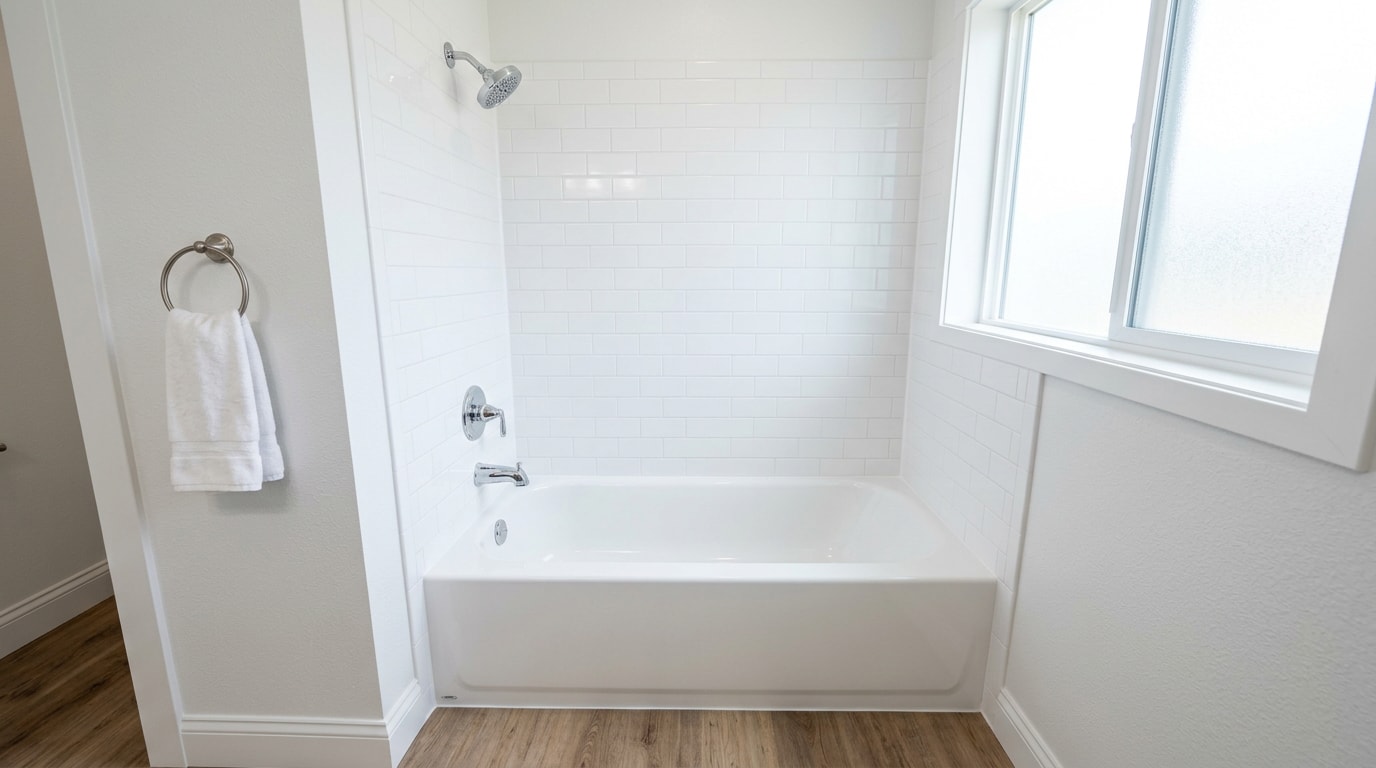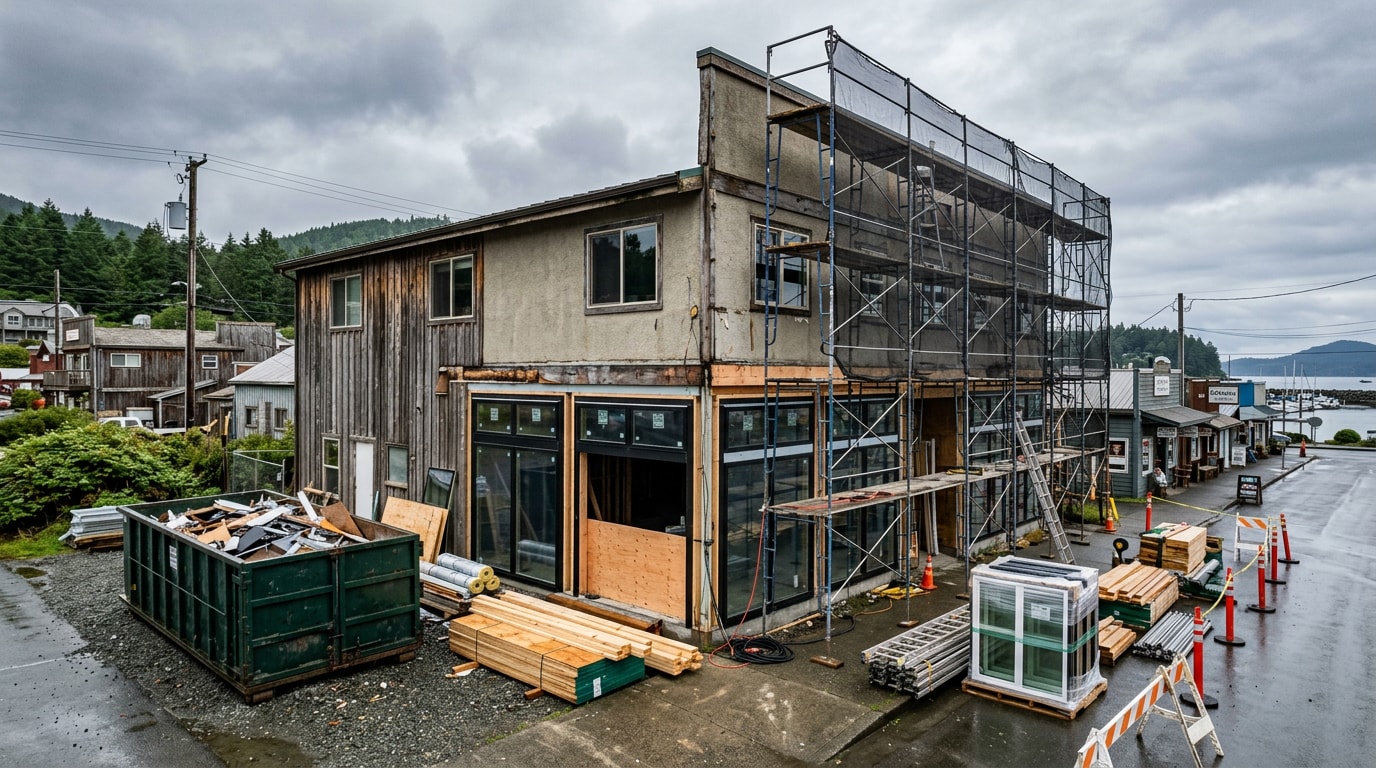
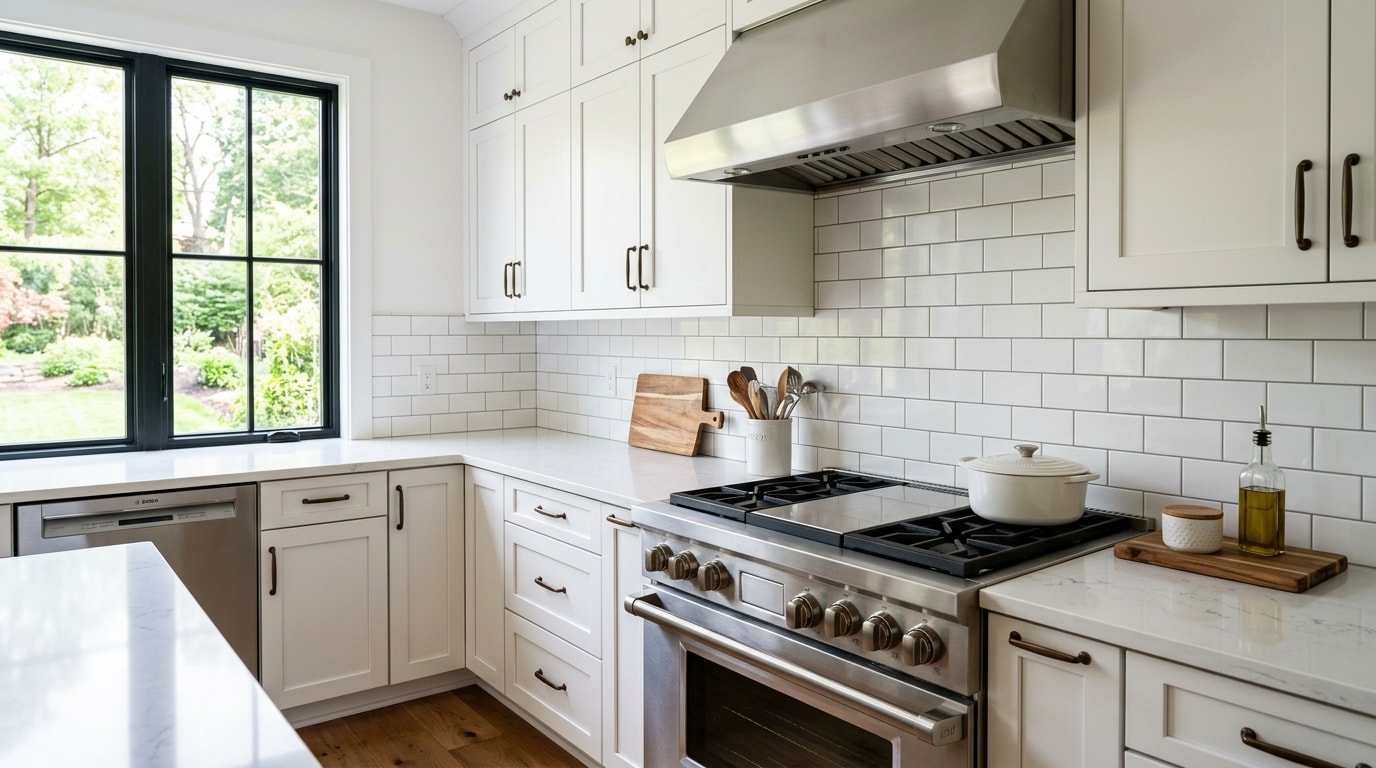
Installing tile backsplash in Pierce County, WA protects your walls from water and grease while transforming a kitchen or bathroom in a single project. Homeowners from Tacoma to Puyallup to Gig Harbor request this upgrade more than almost any other because it pairs a small footprint with a big visual payoff. This guide covers the real installation process, 2026 pricing, and the style decisions that matter before you call a contractor.
Tile Backsplash Installation Cost in Pierce County, WA
Cost is usually the first question homeowners ask, so here's where to start. Pricing depends on square footage, tile material, labor, and whether an old backsplash has to come out first.
Most Pierce County contractors offer either an in-home estimate or a photo-and-measurement quote, with final pricing locked in once tile is selected. As of 2026, typical material and installed-cost ranges in this market look like this:
| Tile Type | Material Cost (per sq. ft.) | Installed Cost (per sq. ft.)* |
|---|---|---|
| Ceramic | $2 – $7 | $15 – $25 |
| Porcelain | $3 – $10 | $18 – $28 |
| Natural Stone | $7 – $20+ | $25 – $40+ |
*Installed cost includes labor, standard substrate prep, and sealing. Removing an existing backsplash, intricate patterns, or wall repair push costs toward the higher end. Treat these as planning ranges, not a fixed quote. Most standalone kitchen backsplashes in this area run a few hundred to around two thousand dollars total.
On the kitchen projects we complete around Pierce County, the backsplash itself usually covers 25 to 35 square feet and takes one to two working days from tile-setting through grout cure. Larger accent walls or full-height installations take longer.
Financing Available
Many contractors, ours included, offer financing for homeowners who'd rather spread out the cost instead of paying upfront. Common options include contractor-arranged payment plans and third-party home improvement loans, sometimes with promotional no-interest periods for smaller projects.
For a standalone backsplash, most homeowners just pay out of pocket since the total is relatively low. Financing becomes more attractive when the backsplash is bundled into a larger kitchen remodel or bathroom renovation.
Ready for real numbers on your space? Request a free estimate and we'll walk through material options and scheduling together.
What's Included in a Professional Tile Backsplash Installation
A professional installation covers more than sticking tiles to a wall. Here's the typical sequence:
- In-home consultation and measurement
- Substrate preparation (checking for moisture damage, cleaning grease, installing backer board if needed)
- Tile layout planning
- Cutting around outlets and fixtures
- Setting tile with thinset
- Grouting and sealing
Most jobs wrap up in one to three days depending on scope.
Substrate prep is the step most DIYers underestimate. It means checking the wall for hidden moisture damage, cleaning off grease and old adhesive, and sometimes installing backer board before a single tile goes down. Skipping or rushing this step is the number one reason backsplashes fail early.
Simple subway tile in a small, rectangular area is reasonably DIY-friendly. Cutting around outlets, achieving tight grout lines, and mixing grout evenly are where most confident DIYers start to struggle, and where a mistake is hardest to undo without removing tile.
If you're planning a larger renovation, pairing backsplash work with other updates often makes sense. Our kitchen backsplash tile installation service page covers the full scope of that work, and our recent split-level kitchen remodel guide for Pierce County walks through how backsplash tile fits into a bigger project timeline.
Benefits of a Tile Backsplash
A tile backsplash protects drywall and paint from water splashes, grease spatter, and stovetop heat, while giving you a durable, easy-to-clean surface that holds up for decades.
The moisture protection piece matters more than most people realize. Painted drywall behind a sink or range absorbs water vapor and grease over time, which eventually leads to peeling paint, soft drywall, or mold. EPA guidance is direct on this point: controlling moisture is the best way to control mold growth . A correctly installed, sealed tile backsplash keeps that moisture on the surface, where it wipes away instead of soaking in.
Durability is the other half of the equation. Ceramic, porcelain, and most natural stone tiles resist scratching, staining, and fading far better than paint or laminate panels. A well-installed backsplash can realistically outlast two or three kitchen paint jobs without needing attention.
This is also where hiring a professional earns its keep. The Tile Council of North America is a trade association that facilitates development of industry quality standards for tile installation materials and related products , covering substrate requirements, waterproofing, and setting methods for wet-area applications. A trained installer follows those standards as a matter of course: using the correct thinset for the substrate, back-buttering tiles for full coverage, and tooling grout lines so water can't wick behind the tile.
A DIYer working from a weekend tutorial often skips these details without realizing it. The tile might look fine on day one, but gaps in coverage or incompatible adhesive can lead to loose tiles or moisture intrusion within a year or two.
Styles and Textures: Finding the Right Backsplash
Most Pierce County homeowners land on one of three directions: classic subway tile, mosaic or patterned tile, or natural stone. Each brings a different look, price point, and maintenance commitment.
| Style | Typical Cost Tier | Maintenance | Best For |
|---|---|---|---|
| Subway tile | Budget-friendly | Low | Most kitchen styles, resale-friendly |
| Mosaic/patterned | Mid-range | Low to moderate | Accent walls, range hoods, small baths |
| Natural stone | Premium | Higher (sealing required) | High-end kitchens, one-of-a-kind look |
For more layout inspiration, browse our tile and flooring project gallery before you settle on a direction.
Classic Subway Tile
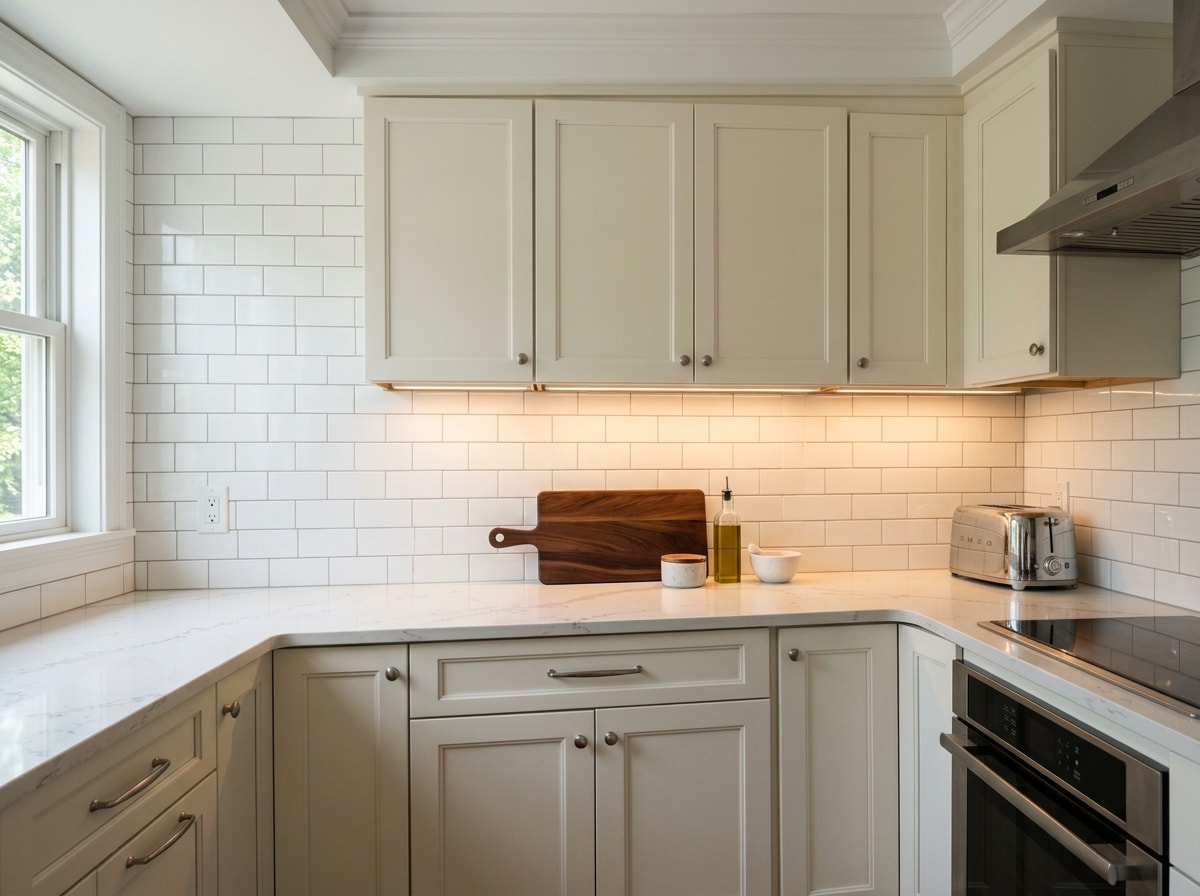
Subway tile remains the most requested backsplash style for a reason: it's clean, timeless, and budget-friendly. The standard 3x6-inch size works in nearly any kitchen style and pairs well with almost any countertop material.
Layout is where subway tile gets personality. A running bond pattern is traditional, but herringbone and vertical stack layouts have gained popularity for a more current look. Grout color matters more than people expect, too. A contrasting grout line makes the pattern pop, while matching grout creates a seamless, monochromatic wall.
Mosaic and Patterned Tile
Mosaic tile comes pre-mounted on mesh sheets, which speeds up installation but requires careful attention to keep the pattern aligned across sheets. Popular patterns in this market right now include hexagon, herringbone, and chevron, often in glass, porcelain, or a mixed-material blend.
These patterned options work best as a focal point rather than wall-to-wall coverage. Think a statement strip behind a range hood or a full accent wall in a smaller bathroom. Because the visual texture is already busy, mosaic backsplashes usually pair best with simpler countertops and cabinetry.
Natural Stone and Textured Tile
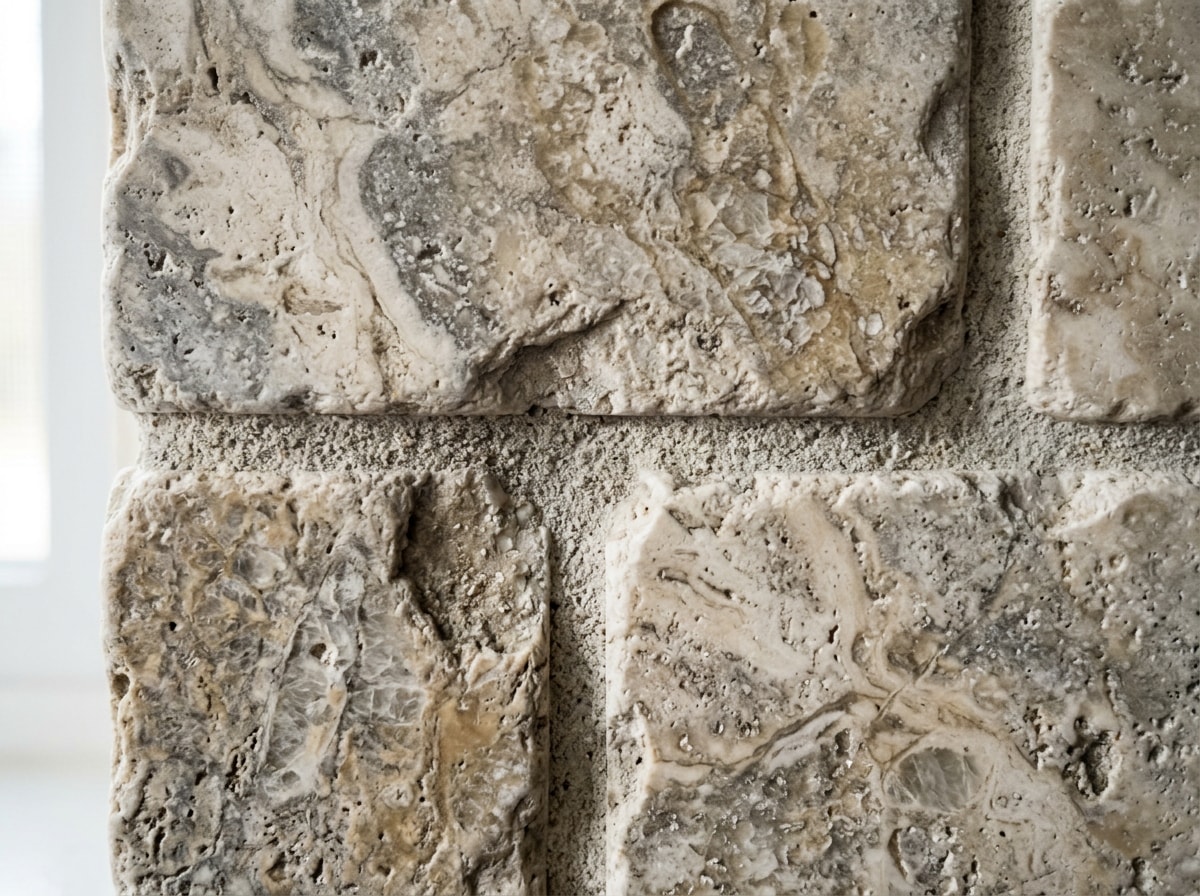
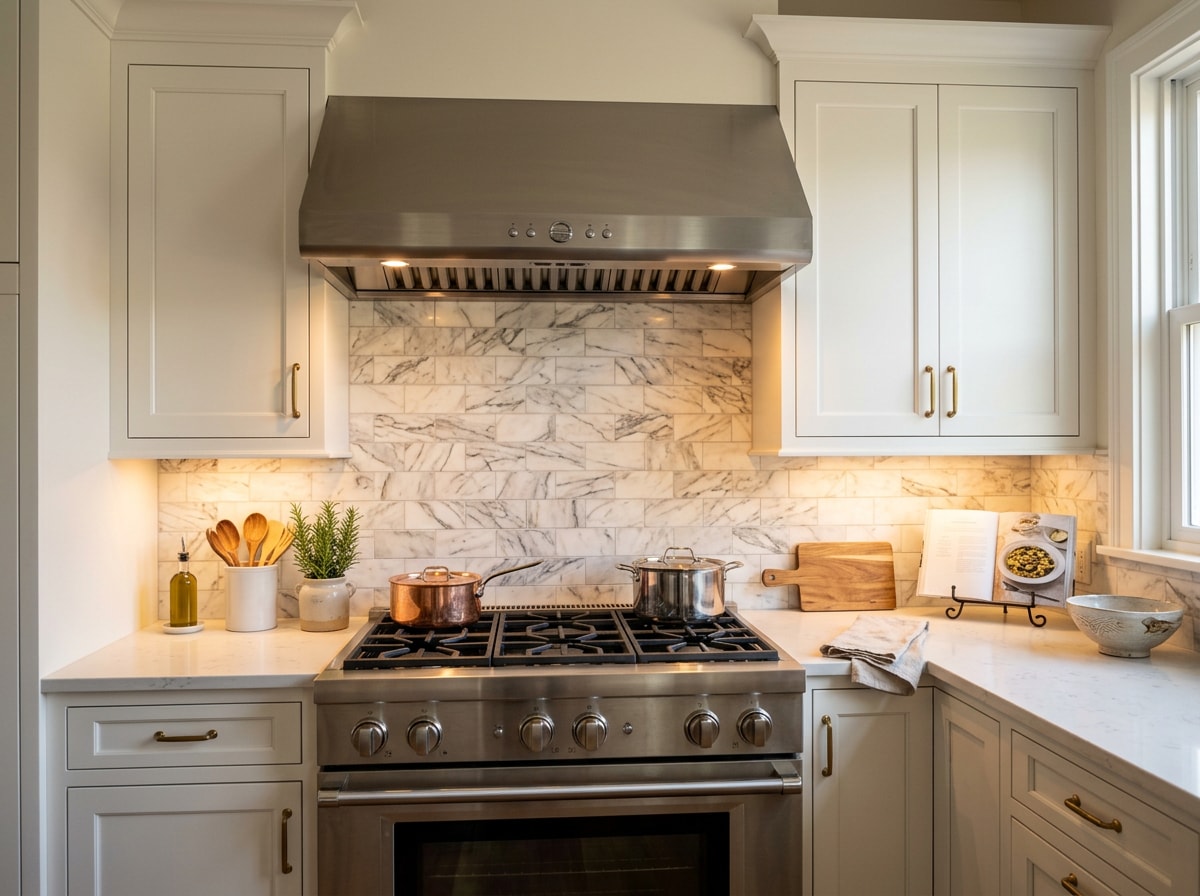
Natural stone, marble, travertine, and slate are the most common choices, brings a high-end, organic look that manufactured tile can't fully replicate. Every slab has natural veining and color variation, so no two installations look quite the same.
The tradeoff is maintenance. Unlike ceramic or porcelain, natural stone is porous. The first step in proper stone care is understanding your stone's geological classification and composition, since that determines which cleaning products are safe to use . Most calcareous stones like marble and travertine need a sealer at installation and periodic re-sealing to resist staining from oil, wine, or acidic foods.
For homeowners who like the textured, natural look but want less upkeep, textured porcelain tiles that mimic stone are a solid middle-ground option.
Where We Install Backsplashes Across Pierce County
Kitchens get most of the attention, but tile backsplash installation works just as well in several other spaces:
- Bathroom vanities – protects the wall behind faucets from everyday splashing, and can match or contrast the countertop
- Wet bars and butler's pantries – a natural fit in homes built for entertaining
- Laundry rooms and mudrooms – holds up better than paint behind sinks or utility basins
- Accent walls – dining nooks, fireplace surrounds, and open shelving displays, where style matters more than moisture protection
Layout, tile size, and material shift based on the room. A small bathroom often calls for a delicate mosaic or smaller-format tile, while a wet bar or kitchen might suit larger-format tile for a cleaner, more modern look. See our full bathroom tile installation scope for vanity and shower-adjacent tile work.
Why Hire a Local Pierce County Tile Contractor
A local, licensed tile installer brings familiarity that a national handyman service can't match. Pierce County has a wide mix of home ages and construction styles, from older Tacoma craftsman homes to newer builds in Bonney Lake and Sumner, and wall conditions vary a lot between them.
On a recent kitchen project south of Tacoma, our crew pulled back a 1970s backsplash and found three layers of old adhesive sitting directly over bare plaster, with no backer board anywhere near the sink. That's not unusual in homes from that era, and it's exactly the kind of surprise a contractor who hasn't worked much in this region might not plan for before quoting the job.
The Pacific Northwest's marine climate also means substrate prep and sealing matter more here than in drier regions. Homes near Gig Harbor or along the Sound see more sustained humidity than inland markets, which is one more reason backer board and proper sealing aren't optional near a sink or stove.
Working with a local contractor also means faster scheduling, easier follow-up if a grout line ever needs attention, and a business with an actual reputation in the community to protect. Our team serves homeowners throughout Pierce County, WA, and you can see our full range of remodeling work on the Superior Tile and Remodel LLC homepage.
If a backsplash is part of a bigger plan, our tile installation and kitchen remodeling services cover everything from a single accent wall to a full kitchen overhaul. Contact us for a free, no-pressure estimate on your project.
FAQ
How much does tile backsplash installation cost?
Tile backsplash installation in Pierce County typically runs $15 to $40+ per square foot installed, depending on tile material, with ceramic on the lower end and natural stone on the higher end. Removal of an existing backsplash, wall repair, and layout complexity push costs toward the higher end of that range.
How long does tile backsplash installation take?
A standard kitchen backsplash usually takes one to three days from substrate prep through grout cure. Smaller bathroom vanity backsplashes can sometimes finish in a single day, while large accent walls or intricate mosaic patterns take longer.
Can I DIY a tile backsplash installation?
A confident DIYer can often handle a small, simple subway tile backsplash in a straightforward rectangular area with minimal cutting. DIY gets risky with larger stone tile, intricate mosaic patterns, or areas with multiple outlet cutouts and uneven corners, since these require precise cuts and waterproofing know-how. If the project involves natural stone, electrical cutouts, or a complex layout, hiring a professional is usually worth the cost difference.
Can you install a tile backsplash directly on drywall?
Tile can go directly on drywall in dry, low-moisture areas using lightweight tile, proper primer, and the correct thinset. Near sinks, stoves, or anywhere water exposure is likely, cement backer board or a moisture-resistant substrate is required for a lasting installation, since standard painted drywall isn't built to handle regular moisture exposure.
What is the best material for a backsplash?
The best material depends on priorities. Ceramic and porcelain offer the easiest maintenance and lowest cost, natural stone delivers a higher-end, one-of-a-kind look with more upkeep, and glass tile adds light reflection for smaller accent areas. There's no single "best" choice. It comes down to how much maintenance you're willing to take on versus the look you want on the wall. If a tile ever cracks or loosens down the road, our tile repair service can fix it without redoing the whole wall.